
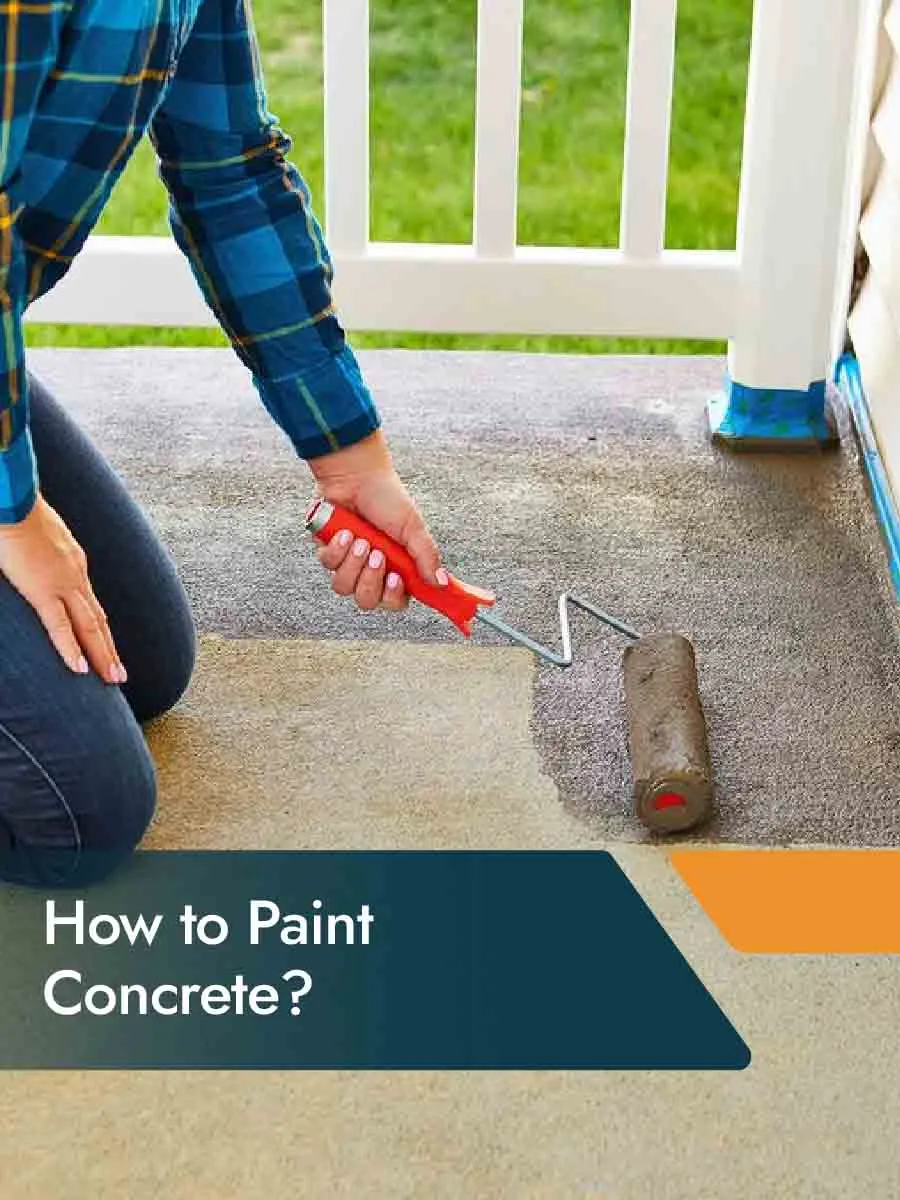
Bare concrete is tough and practical. But it’s not exactly exciting to look at. Whether it’s a dull garage floor, a faded driveway, or a patio that’s seen better days, the right concrete paint can completely change the space.
This guide covers everything from choosing the right product to prepping the surface, applying the paint correctly, and avoiding the mistakes that cause it to fail early.
If you’d rather skip the DIY and get a result that actually lasts, check out our professional floor coating service.
Can You Paint Concrete?
Yes, absolutely. Concrete takes paint well when it’s prepared properly. That last part is the important bit.
Concrete is porous. It soaks up moisture, oils, and water that comes up through the slab. If you paint without preparing the surface first, the coating will peel, bubble, or flake within months. Done right, painted concrete is durable, easy to clean, and looks sharp.
You can paint concrete on:
- Garage and workshop floors
- Driveways and carports
- Patios and alfresco areas
- Pool surrounds
- Laundry and basement floors
The success of any concrete paint job comes down to one thing above everything else: prep. We’ll get into that in detail below.
Types of Paint and Coatings for Concrete
Using the wrong product is one of the most common mistakes on concrete surfaces. Not all paint is made for concrete. Here’s what your main options are.
Acrylic Concrete Paint
Acrylic concrete paint is water-based, dries fast, and is the most accessible option for DIYers. It’s designed to handle UV exposure, which makes it a solid choice for outdoor surfaces in Australia.
It’s also breathable, meaning moisture from below can escape through the coating rather than building up and causing it to bubble. That matters a lot on driveways and outdoor slabs.
Best for: driveways, patios, pool surrounds, and any outdoor concrete.
It’s not the hardest-wearing option out there, but for residential use and moderate foot traffic, it does the job well. Expect to recoat every three to five years on high-traffic outdoor areas.
Epoxy Coatings
Epoxy is a two-part coating: a resin and a hardener that you mix together before applying. Once cured, it forms a tough, chemical-resistant finish that’s significantly harder and more durable than acrylic.
Why people love epoxy on floors:
- Hard-wearing and scratch-resistant
- Excellent at handling oil spills and chemicals
- Available in a high-gloss finish with decorative colour flakes
- Much easier to clean than raw concrete
- Long-lasting in high-traffic areas
The trade-off is that epoxy is more technically demanding. It requires precise mixing, and it’s sensitive to moisture in the slab. If the concrete isn’t dry enough, the epoxy can delaminate. It’s worth getting it right.
Check out our epoxy floor coatings page to see what a proper professional epoxy finish looks like.
Best for: Garage floors, workshops, commercial areas, and anywhere you want a premium look with serious durability.
Concrete Stains and Sealers
Concrete stain is not paint. It’s a product that chemically reacts with the concrete to colour it from within. The result is a natural, varied look that you can’t get from paint. It won’t chip or peel the same way because it’s part of the concrete, not sitting on top.
Sealers protect the surface from moisture, staining, and general wear. They don’t add much colour but they add a lot of protection.
A stain-and-sealer combination is a popular option for patios and polished indoor floors where people want a more natural, textured aesthetic rather than a solid colour.
How to Prepare Concrete Before Painting
Prep is where most people go wrong. It’s less exciting than putting colour down, but it is the entire reason a paint job lasts or fails. Don’t rush it.
Cleaning and Degreasing
Start with a thorough clean. Remove all dirt, loose material, and debris. For garage floors and driveways, oil and grease stains need specific attention as they prevent paint from bonding.
Apply a concrete degreaser or purpose-made cleaner and scrub with a stiff-bristled brush. Rinse well with a hose or pressure washer. Let the surface dry completely before moving on.
There’s no point priming or painting over contaminated concrete. It will not stick.
Repairing Cracks and Etching
Fill any cracks with a concrete crack filler. Let it cure fully before moving on.
After repairs, you need to etch the surface. Etching opens up the pores of the concrete so the paint or primer can actually bond to it rather than just sitting on top.
Options for etching:
- Diluted hydrochloric acid (always add acid to water, never water to acid)
- Commercial etching solution (safer and easier for home use)
After etching, rinse the surface thoroughly and let it dry completely. When you run your hand over the surface, it should feel like fine sandpaper. If it still feels smooth and glassy, etch again.
Moisture Testing
This is the step people skip. And it causes a lot of failed paint jobs.
Moisture coming up through the slab from below will push the paint off from underneath. Before you do anything, tape a piece of plastic sheeting (around 450mm x 450mm) flat to the floor and seal the edges. Leave it for 24 hours.
If there’s condensation or moisture under the plastic when you lift it, you have a moisture issue. Don’t paint yet. You’ll need to either wait until conditions are drier, use a breathable coating that lets moisture pass, or apply a moisture barrier first.
Ignoring this and painting anyway is one of the leading causes of bubbling and peeling on concrete.
Step-by-Step: How to Paint a Concrete Floor
Here’s the full process in order:
- Sweep and degrease – remove all dirt, dust, and grease
- Repair damage – fill cracks and holes, let them cure fully
- Etch the surface – open the pores for proper adhesion
- Do the moisture test – wait 24 hours and check for dampness
- Apply primer – use a concrete-specific primer and let it dry completely
- First coat – use a roller with a medium nap (12 to 15mm); work in manageable sections; always maintain a wet edge
- Let it dry – check product instructions; don’t rush
- Second coat – most products need at least two coats for full coverage and protection
- Allow full cure time – paint may be dry to touch within hours, but traffic resistance builds over 24 to 72 hours; don’t expose it to heavy use too soon
A few tips to make the process smoother:
- Roll in one direction to keep the texture consistent
- Don’t overload the roller or you’ll get drips and ridges
- Avoid painting in direct hot sun, on very humid days, or if rain is likely within 24 hours
- Read the product data sheet from start to finish before you begin
How to Paint a Concrete Driveway or Patio
Driveways and patios take more punishment than indoor floors, so product selection matters more here.
Use an acrylic concrete paint rated for outdoor use and vehicle traffic. Make sure it’s UV-stable so it won’t fade or chalk quickly in the Australian sun.
Key differences from indoor floor painting:
Driveways are exposed to tyres, oil, and heavy loads. Use a higher-build product and plan on two to three coats for proper protection.
Patios are exposed to full weather year-round. A non-slip additive is worth considering, especially if the surface gets wet and slippery.
Pool surrounds need a specific coating rated for wet areas and pool chemicals. Not just any concrete paint will handle that environment.
The prep process is the same as for floors. Don’t skip the etch or the moisture test because you’re outside. Outdoor surfaces need thorough prep more than indoor ones, not less.
Common Concrete-Painting Mistakes to Avoid
Even with the right products, these mistakes can ruin the job:
- Skipping the etch – the most common mistake; paint won’t bond properly and will peel within months
- Painting on damp concrete – always wait until the surface is completely dry
- Using interior paint outdoors – it’s not UV-rated; it will break down fast
- One thin coat – always apply two full coats
- Rushing between coats – not allowing enough dry time causes lifting and bonding failures
- Painting in extreme conditions – direct hot sun, high humidity, and low temperatures all affect adhesion and cure
- Ignoring cure times – paint can feel dry but still be soft; heavy traffic too early causes scuffing and permanent marks
How Long Does Painted Concrete Last?
With proper prep and quality products, here’s what you can typically expect:
| Surface | Expected Lifespan |
| Garage floor (epoxy coating) | 5 to 10 years |
| Driveway (acrylic) | 3 to 5 years |
| Patio (acrylic) | 3 to 7 years |
| Indoor concrete floor | 5 to 10 years |
These figures assume good prep and quality products. In harsh Australian outdoor conditions with heavy use, lower estimates are more realistic.
You can extend the life of painted concrete significantly by applying a sealer topcoat every couple of years. It adds a protective layer and makes cleaning easier.
Painted Concrete vs Epoxy vs Polished Concrete
Not sure which direction to go? Here’s a straight-up comparison:
| Feature | Painted Concrete | Epoxy Coating | Polished Concrete |
| Cost | Low | Medium | High |
| Durability | Moderate | High | Very high |
| DIY-friendly | Yes | Possible | No |
| Look | Many colours | High gloss with flake options | Natural stone aesthetic |
| Maintenance | Periodic recoating | Easy to clean | Very low |
| Best for | Patios, driveways | Garages, workshops | Living areas, commercial |
For most DIYers, acrylic concrete paint is the easiest and most affordable option. For heavy-duty durability or a premium aesthetic, a professionally applied floor coating is the smarter investment.
FAQs
Do I need to prime concrete before painting?
Yes, always. A concrete-specific primer improves adhesion and coverage. Without it, paint absorbs unevenly and fails sooner.
Can I paint concrete without etching?
Technically yes, but it’s not recommended. Etching dramatically improves how well the paint bonds to the surface. Skipping it means the coating is far more likely to peel early.
How many coats does concrete paint need?
Most products need two coats minimum. On driveways and high-traffic areas, three coats may be worth it for extra durability.
What’s the best paint for a concrete patio in Australia?
A UV-stable acrylic concrete paint rated for outdoor use. Look for something specifically designed for Australian conditions and tested for exterior surfaces.
Can I paint over old concrete paint?
Yes, if the existing paint is in good condition. Clean it well, lightly abrade the surface, and apply a bonding primer before recoating. If the old paint is peeling or flaking, remove it first.
How long before I can walk on freshly painted concrete?
Most paints are dry to touch in two to four hours. Light foot traffic after 24 hours. Full traffic resistance takes 48 to 72 hours.
When to Call a Professional Concrete Coating Team
DIY concrete painting is perfectly doable on smaller or simpler surfaces. But if you want a result that genuinely lasts, especially on garages, large driveways, or commercial areas, professional application makes a big difference.
Pros use higher-grade products, industrial prep equipment, and application techniques that are hard to replicate with off-the-shelf tools. The preparation alone is typically far more thorough.
Get a free floor coating quote from the team at Ace Coating Services. We handle everything from etching and priming to final coat, using products suited to Australian conditions.