Concrete looks tough, but it absorbs water, oil, and stains easily. A good concrete sealer protects the surface, extends its life, and keeps it looking clean. Whether you have a driveway, patio, or indoor floor, sealing is one of the best things you can do for your concrete. This guide covers everything you need to know, from choosing the right sealer to applying it correctly.
Ready to skip the DIY route? Talk to a concrete coating specialist and get the job done right.
What Is a Concrete Sealer and Why Seal Concrete?
A concrete sealer is a protective layer applied to the surface of concrete. It blocks moisture, chemicals, UV rays, and general wear from breaking the surface down.
Here is why sealing matters:
Concrete is porous. Without protection, water soaks in and causes cracking, especially in areas with cold winters or heavy rain. Oil and grease stain bare concrete almost instantly. Foot traffic and vehicle weight wear down unsealed concrete faster. A sealed surface is far easier to clean and maintain.
Sealing concrete is not just about looks. It actively protects your investment and saves you money on repairs later.
Types of Concrete Sealers
Not all sealers are the same. Each type works differently and suits different surfaces.
Penetrating Sealers
A penetrating concrete sealer soaks into the concrete rather than sitting on top. It reacts chemically with the concrete and creates a barrier from within.
These sealers are ideal for driveways, pathways, and outdoor areas exposed to heavy rain. They do not change the appearance of the surface. They are invisible once applied. They also last longer than surface sealers, often 5 to 10 years.
Penetrating sealers are the go-to choice when you want maximum moisture protection without changing how the concrete looks.
Acrylic Sealers
Acrylic sealers sit on top of the concrete and form a thin protective film. They come in water-based and solvent-based versions.
Water-based acrylics are low odour and easy to apply. Solvent-based versions offer a slightly glossier finish and stronger protection.
Acrylic sealers are popular for patios and decorative concrete because they can enhance colour and give a wet look finish. They are affordable and easy to reapply. The downside is they wear faster, needing resealing every 1 to 3 years.
Epoxy and Polyurethane Sealers
These are heavy-duty coatings designed for high-traffic areas. Epoxy sealers bond strongly to concrete and create a thick, hard surface. Polyurethane sealers are more flexible and highly resistant to chemicals and UV damage.
Both are common in garages, warehouses, and commercial spaces. They last longer than acrylics and offer excellent protection against stains, abrasion, and moisture.
If you are looking at serious protection for an indoor floor, epoxy flooring is worth considering as a full system rather than a simple sealer.
How to Choose the Right Concrete Sealer
Start by thinking about where the concrete is and what it goes through.
Outdoor driveways and paths: Use a penetrating sealer. It handles rain and temperature changes without peeling.
Patios and decorative concrete: Use an acrylic sealer if you want to enhance colour. Use a penetrating sealer if you want a natural look with strong protection.
Indoor floors in garages or workshops: Epoxy or polyurethane coatings offer the best performance. They handle vehicle traffic, oil, and heavy use.
Residential interior floors: A penetrating sealer or water-based acrylic works well, depending on the finish you want.
Also consider the sheen level. Sealers come in matte, satin, and gloss finishes. Gloss shows off decorative concrete, but also shows dirt and scratches more easily.
How to Seal Concrete Step by Step
Applying a sealer is simple if you prepare the surface properly. Rushing the prep is where most people go wrong.
Surface Preparation
This step makes or breaks the job.
Clean the concrete thoroughly. Remove all dirt, grease, oil, and old sealer. Use a degreaser for oil stains and a concrete cleaner for general grime. Pressure washing works well for outdoor surfaces.
Let the concrete dry completely. Most sealers require the concrete to be fully dry before application. Check the product instructions. Damp concrete traps moisture under the sealer, which leads to bubbling and peeling.
Check for existing sealer. If the surface already has a coating, you may need to strip it first. Pour a few drops of water on the surface. If it beads up, there is still sealer present. If it soaks in, the surface is ready.
Fix any cracks. Fill them with a concrete crack filler and let it cure before sealing.
Application Methods
You have three main options: roller, sprayer, or squeegee.
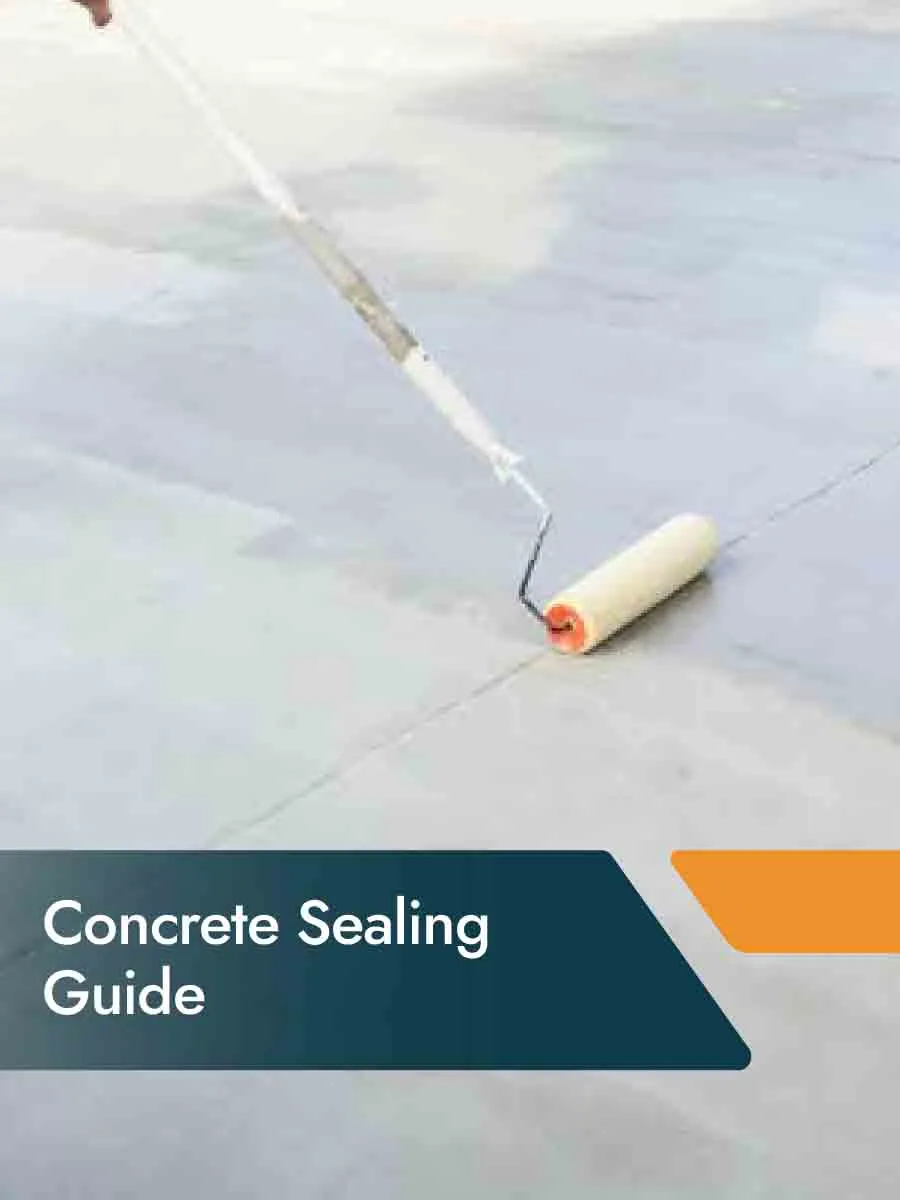
A roller works well for flat indoor floors. Use a low-nap roller for thin sealers and a thicker nap for textured surfaces.
A pump sprayer is faster for large outdoor areas like driveways and patios. Apply thin, even coats. Overlapping passes help avoid streaks.
A squeegee works best for thick sealers like epoxy. It helps spread the product evenly across the surface.
Always apply thin coats. Two thin coats perform better than one thick coat. A thick coat traps air and dries unevenly.
Work in sections. Start from the far end of the space and work toward the exit so you do not trap yourself in a corner.
Drying and Curing Times
Drying time and curing time are not the same.
Drying means the surface is dry to the touch. Most sealers dry within 1 to 4 hours, depending on temperature and humidity.
Curing means the sealer has fully hardened and reached maximum strength. This takes 24 to 72 hours for most products.
Do not walk on the surface until it is dry. Do not drive on a sealed driveway for at least 48 to 72 hours. Avoid washing the surface for at least a week.
Higher temperatures and lower humidity speed up drying. Cold or humid conditions slow it down. Avoid sealing in direct sunlight on very hot days, as the sealer can dry too fast and bubble.
How Often Should You Reseal Concrete?
Resealing frequency depends on the sealer type and how much wear the surface takes.
Acrylic sealers on driveways and patios need resealing every 1 to 3 years. Penetrating sealers last 5 to 10 years. Epoxy and polyurethane coatings last 5 to 10 years with proper maintenance.
Signs your concrete needs resealing:
Water no longer beads on the surface. The colour looks faded or dull. Stains are harder to clean. The surface feels rough or chalky.
Resealing is far cheaper than repairing cracked or stained concrete. Stay on schedule, and the surface will last decades.
Sealing vs Coating vs Polishing Concrete
These terms get used interchangeably, but they are not the same thing.
Sealing protects the surface with a thin layer or penetrating treatment. It does not dramatically change the look or texture.
Coating adds a thicker layer that changes both the look and performance of the floor. Epoxy coatings and polyurethane coatings fall into this category. Learn more about the difference in our concrete floor coating and sealing service page.
Polishing mechanically grinds and refines the concrete surface. It creates a smooth, reflective finish without any coating on top. A sealer or hardener is often applied after polishing to protect the surface.
Each option suits different needs. Sealing is maintenance. Coating is an upgrade. Polishing is a transformation.
Common Concrete Sealing Mistakes
These are the mistakes that lead to peeling, bubbling, and poor results.
Skipping surface prep. Sealing over dirty or damp concrete is the most common mistake. The sealer will not bond and will peel off quickly.
Applying too much at once. Thick coats look appealing, but they cure poorly. Always apply thin, even layers.
Sealing in bad weather. Cold temperatures below 10 degrees Celsius and high humidity prevent proper curing. Check conditions before you start.
Not testing the surface first. Always check if the old sealer is still present before applying a new coat.
Using the wrong sealer. A decorative acrylic on a heavy-use driveway will wear out fast. Match the product to the surface and its demands.
Not reading the product instructions. Each sealer has specific drying times, application rates, and requirements. Follow them closely.
FAQs
Can I seal new concrete straight away?
No. New concrete needs to cure for at least 28 days before sealing. Sealing too early traps moisture and weakens the surface.
Can I seal concrete myself?
Yes, for basic applications. But large areas, damaged surfaces, or high-performance coatings are better handled by professionals.
How long does concrete sealing last?
It depends on the product. Acrylics last 1 to 3 years. Penetrating sealers and epoxy coatings last 5 to 10 years.
Does sealing concrete make it slippery?
Glossy sealers can be slippery when wet. Add a non-slip additive to the sealer if the area gets wet regularly.
Do I need to reseal after pressure washing?
Heavy or repeated pressure washing can strip the sealer over time. Check if water still beads after washing. If not, it is time to reseal.
What is the best concrete sealer for a driveway?
A penetrating sealer is usually the best choice. It handles weather, vehicle traffic, and oil without peeling.
Get Professional Concrete Sealing in Melbourne
DIY sealing works for small jobs with good conditions. But if the surface is large, damaged, or you want a lasting result, a professional application makes a real difference.
Ace Coating Services handles concrete floor coating and sealing for homes and commercial spaces across Melbourne. The team uses professional-grade products and prepares every surface properly before any coating goes down.
Talk to a concrete coating specialist today and get a result that lasts.