
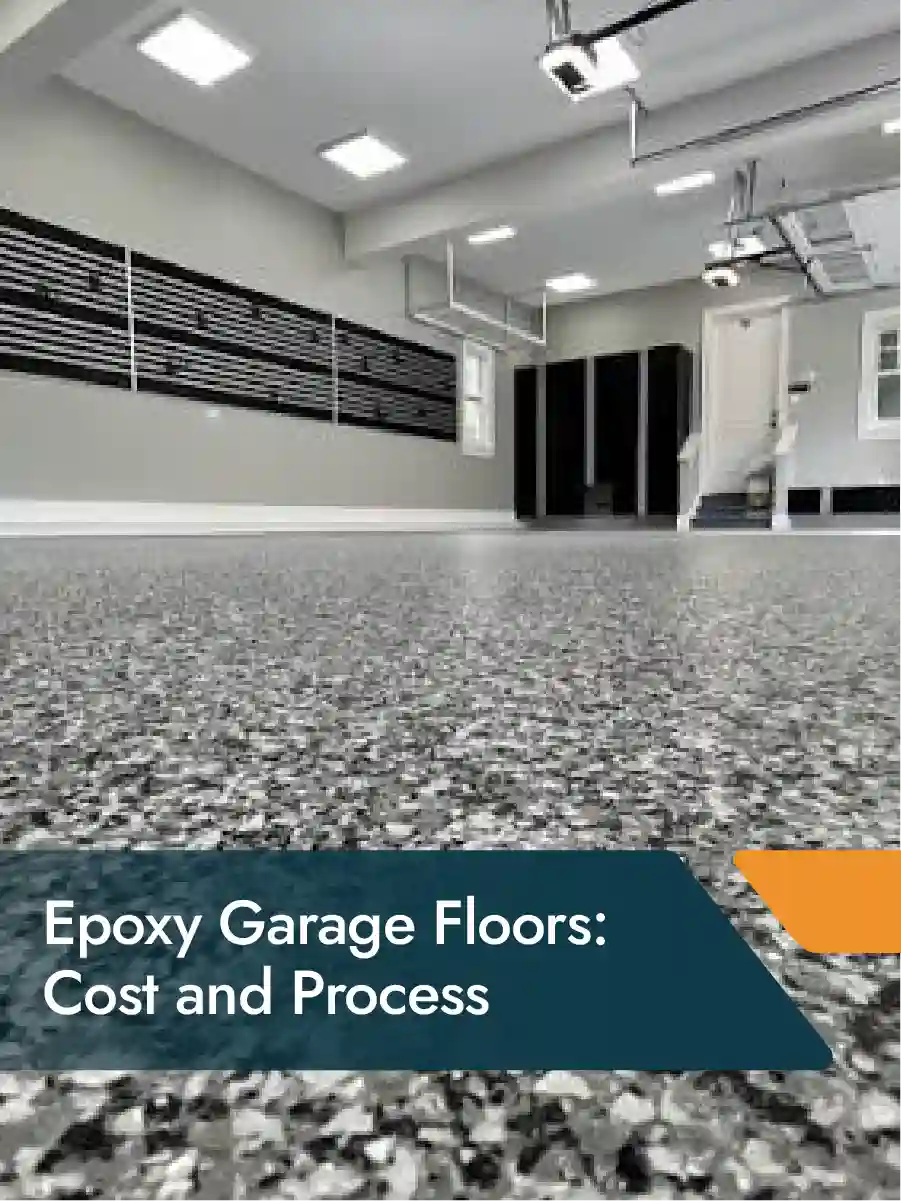
An epoxy garage floor is one of the best upgrades you can make to your home. It turns a dusty concrete slab into a tough, shiny, easy to clean surface. More Australian homeowners are choosing epoxy garage floors because they last long and look great. In this guide, we explain what epoxy garage floors are, how much they cost, and whether you should do it yourself or hire a pro.
What is an epoxy garage floor?
An epoxy garage floor is a concrete floor coated with a resin-based system. The resin mixes with a hardener. This creates a chemical bond that forms a hard plastic like layer on top of your concrete.
This layer is not paint. It actually bonds with the concrete surface. That is why garage floor epoxy is so strong and durable.
Once cured, the floor becomes resistant to oil stains, chemicals, scratches, and heavy weights. It can handle car tyres, tools, and foot traffic without wearing down.
Most epoxy garage floors have two or more layers:
A primer coat that sticks to the concrete
A base coat that gives colour and strength
A top coat that adds shine and protection
Some floors also include decorative flakes for extra grip and style.
How much does an epoxy garage floor cost?
The cost of an epoxy garage floor depends on size, condition of the concrete, and the type of system used.
On average, epoxy floor cost in Australia ranges from:
- $40 to $50 per square metre for basic DIY kits
- $60 to $100 per square metre for professional standard systems
- $100 to $150+ per square metre for high build, decorative, or industrial grade epoxy
For a standard two car garage (around 40 square metres), this means:
- DIY kits: roughly $1,600 to $2,000
- Professional epoxy garage floor cost: roughly $2,400 to $4,000
- Premium systems: $4,000 to $6,000+
These numbers can change based on:
- How much surface prep is needed (cracks, oil stains, old coatings)
- Whether you want flakes, colours, or a high gloss finish
- The size and shape of your garage
- Access for equipment and materials
Getting a quote from a local installer is the best way to get an accurate price for your space.
Epoxy floor paint vs professional epoxy systems
Many people confuse epoxy floor paint with a full epoxy floor system. They are not the same thing.
Epoxy floor paint is a thin coating you can buy at hardware stores. It often contains some epoxy resin mixed with other ingredients to make it easier to apply. It is cheap and easy to roll on, but it does not last as long. Most epoxy floor paint starts to peel, chip, or fade within one to three years, especially in a busy garage.
Professional epoxy systems use 100% solid or high solid epoxy resins. These are mixed on site and applied in multiple layers. The result is a much thicker, harder, and more durable epoxy floor. A properly installed system can last 10 to 20 years with normal use.
The main differences are:
- Thickness: Paint is a few microns thick. Pro systems can be several millimetres thick.
- Durability: Paint wears down fast under car tyres and tools. Pro epoxy resists chips and stains.
- Prep work: Paint often skips proper grinding or etching. Pro systems always start with surface preparation.
- Finish: Pro systems can include flake broadcasts, anti-slip additives, and high gloss top coats.
If you want a floor that truly performs, a professional epoxy floor system is the better long-term choice. If budget is tight and you just want a quick refresh, epoxy floor paint can be an option, but expect to redo it sooner.
For more detail on how epoxy systems compare to other floor coatings, this guide from Bob Vila explains the different types of garage floor coatings and how they perform over time.
DIY vs professional epoxy flooring
A lot of homeowners think about doing a DIY epoxy garage floor to save money. It is possible, but there are things to know before you start.
DIY epoxy garage floor pros:
- Lower upfront cost
- You can do it on a weekend
- Good for small areas or low traffic spaces
DIY epoxy garage floor cons:
- Surface prep is hard to get right without the right tools
- Bubbles, peeling, and uneven colour are common mistakes
- Most DIY kits use thinner epoxy floor coating that wears out faster
- No warranty if something goes wrong
- You need the right temperature and humidity conditions to apply it
Professional epoxy flooring pros:
- Proper grinding and prep for a strong bond
- Thicker, more durable epoxy floor coating
- Better finish with flakes, colours, and gloss options
- Often comes with a warranty
- Saves you time and effort
Professional epoxy flooring cons:
- Higher upfront cost
- You need to book a time for the work to be done
If your garage floor sees daily use, parking, tools, or heavy items, a professional job is usually worth the extra cost. The floor will last longer and look better for years.
If you’re still deciding, our team can walk you through the full process and what’s included. Check out our Epoxy Flooring service page to see how we handle prep, application, and finishing for long lasting results.
Choosing the Right Colours and Finishes for Your Epoxy Floor
One of the most enjoyable parts of planning an epoxy garage floor is picking how it will look. Solid colours like grey, charcoal, and tan remain popular because they hide dirt well and suit most home styles. If you want something with more personality, flake systems let you blend multiple colours together for a speckled, terrazzo-like effect that also helps disguise minor surface imperfections in the concrete.
Gloss level is another consideration. A high-gloss top coat gives a showroom look and makes the space feel brighter, since it reflects more light. A satin or matte finish is more subtle and can be easier to keep looking clean between washes, since it shows less dust and footprints. If your garage doubles as a workshop or home gym, a matte or low-sheen finish might be more practical day to day.
For garages that double as extra living space, some homeowners choose lighter colours with metallic or pearlescent additives, which create a swirling, three-dimensional effect. These premium finishes usually sit at the higher end of the price range but can dramatically change the feel of the room.
Maintenance Tips to Extend the Life of Your Epoxy Floor
A well-installed epoxy floor is low maintenance, but a little care goes a long way toward keeping it looking new for as long as possible. Regular sweeping or dust mopping removes grit that can scratch the surface over time, especially in garages where sand, gravel, or metal shavings are tracked in on shoes or tyres.
For spills, especially oil, coolant, or brake fluid, wiping them up promptly helps prevent staining, even though cured epoxy is highly resistant to chemicals. Occasional mopping with warm water and a mild pH-neutral cleaner is usually enough; harsh chemical cleaners or abrasive scrubbing pads can dull the finish over time and aren’t necessary.
It’s also worth using furniture pads or rubber mats under heavy equipment, jack stands, or tool chests with metal feet, since dragging heavy items across the floor can cause scuffing. If you park a vehicle in the garage, parking mats can help in spots where hot tyres regularly sit, since tyre plasticisers can occasionally cause a temporary discolouration called “tyre marking” on some epoxy floors, particularly lighter colours.
With basic care like this, a professionally applied epoxy floor can maintain its appearance and protective qualities for the better part of a decade or more before any recoating is needed.
Common Mistakes to Avoid
Even with professional installation, a few issues can affect how well an epoxy floor performs, and it helps to know what to watch for. One common mistake is applying epoxy over a concrete surface with rising damp or moisture issues. If moisture is trapped beneath the coating, it can cause bubbling or delamination later on, which is why a proper moisture test during inspection is so important.
Another issue is rushing the cure time. Even though a floor might feel dry to the touch after a day, the epoxy continues to harden chemically for several days. Placing heavy furniture, dropping tools, or driving a car onto the surface too early can leave permanent marks or cause the coating to fail to bond properly in that spot.
Skipping proper surface preparation is perhaps the biggest culprit behind early epoxy failures. Concrete that hasn’t been ground or has leftover sealers, oils, or old paint will prevent the new epoxy from forming a strong mechanical bond, leading to peeling within months rather than years.
Finally, some homeowners underestimate ventilation needs during application. Epoxy products can have strong fumes while curing, so good airflow during and after application is important both for safety and for achieving a smooth, even finish.
Is an Epoxy Floor Right for Every Garage?
While epoxy works well in most residential garages, it’s worth thinking about how the space is used before committing. Garages used heavily for welding, grinding, or other high-heat activities may need a more heat-resistant coating system, since extreme localised heat can sometimes affect standard epoxy. Similarly, garages with frequent exposure to strong solvents or certain industrial chemicals may benefit from a polyurethane or polyaspartic top coat layered over the epoxy base for added chemical and UV resistance.
For most everyday uses, though, parking, general storage, home gyms, workshops, and hobby spaces, a standard professional epoxy system offers an excellent balance of durability, appearance, and value. The combination of a strong base coat with a protective top coat covers the vast majority of wear and tear a home garage will see.
Get a professional epoxy floor in Melbourne
If you’re in Melbourne or surrounding suburbs, getting epoxy flooring Melbourne homeowners trust is easier than you think. A good local team will assess your garage, check the concrete condition, and recommend the right system for your needs and budget.
We also provide epoxy flooring Dandenong residents can rely on, with the same high-quality prep and application process used across all our jobs.
Here’s what to expect when you book a professional epoxy garage floor service:
- Inspection: We check the concrete for cracks, moisture, and old coatings.
- Prep work: The floor is ground or shot blasted to create a clean surface for bonding.
- Repairs: Any cracks or holes are filled and levelled.
- Primer coat: This locks in the surface and helps the epoxy bond.
- Base coat: This adds colour and the main protective layer.
- Flakes (optional): Decorative flakes can be added for texture and style.
- Top coat: A clear sealing layer adds shine, durability, and chemical resistance.
- Curing time: The floor needs time to cure fully before heavy use.
The whole process usually takes one to three days, depending on the size of your garage and the system chosen.
A new epoxy garage floor can boost your home’s value, make cleaning easier, and give your garage a clean, modern look. It also protects your concrete from oil stains, cracks, and dust over time.
If you want a quote or have questions about the process, get in touch with our team. We can talk through your garage size, your budget, and the best epoxy system for your space.
Final Thoughts
An epoxy garage floor is more than just a cosmetic upgrade. It’s a practical investment that protects your concrete, simplifies cleaning, and can make your garage feel like a genuinely usable extension of your home rather than just a storage area. Whether you’re after a simple, durable grey finish or a decorative flake design that turns heads, taking the time to choose the right system, colour, and finish for how you actually use the space will pay off for years to come. Pairing a quality installation with simple ongoing care is the easiest way to make sure your floor keeps performing and looking great well into the future.
FAQs
How long does an epoxy garage floor last?
A professionally installed epoxy floor can last 10 to 20 years with normal use. DIY epoxy paint usually lasts 1 to 3 years.
Can I park my car on an epoxy floor right away?
No. Epoxy floors need time to cure. Light foot traffic is usually okay after 24 hours, but cars should wait at least 3 to 7 days.
Does epoxy flooring crack over time?
Epoxy itself does not crack easily, but if the concrete underneath cracks, it can show through the epoxy layer. Proper prep helps prevent this.
Is epoxy flooring slippery when wet?
Plain epoxy can be slippery when wet. Adding anti-slip additives or decorative flakes improves grip and safety.
Can epoxy be applied over an old painted garage floor?
Usually not directly. Old paint needs to be removed or properly prepared first, or the new epoxy may not bond well.
Is epoxy flooring worth the cost?
Yes, for most garages. It protects your concrete, looks great, and saves money on repairs and cleaning over time.